

Review removal for dentists, clinics and medical practices

A patient disputes a bill and writes it up as clinical harm. You cannot answer without breaching their confidentiality, so the review stands unanswered. The way out is not a reply. It is platform policy.

Who this covers
Practices, clinics, specialists
The usual damage
Billing disputes
Upfront fee
None
You are invoiced for
Verified removals only
A dentist in scrubs explaining a treatment to a seated patient with a model of the teeth.
In short

Can a dental practice remove a review it cannot answer in public?

It can be challenged where the review violates the platform’s policy: the reviewer was never a patient, it carries a demand, or it describes another practice. Erase Trax takes it on with that alone and never asks for patient records, so confidentiality is not breached. A real patient’s genuine complaint stays up. The platform decides; only verified removals are invoiced.

In this trade

What goes wrong for practices, clinics, specialists

The bill, rewritten as harm

A disputed invoice becomes a review about the treatment.

A real patient describing real pain stays; a review with a demand, about another practice, or from someone never seen can come down, and the audit says which.
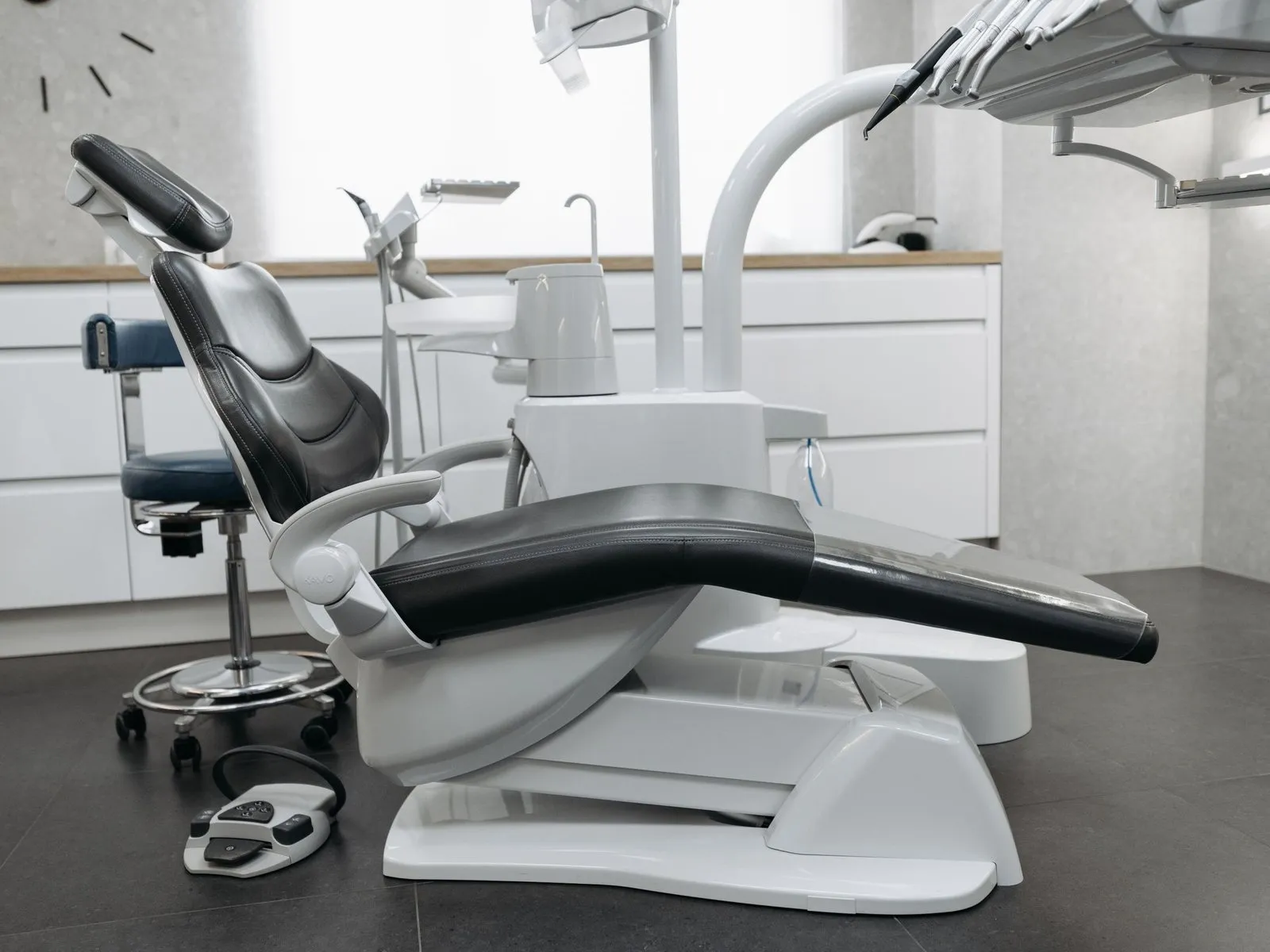
A modern dental treatment room, the chair empty under its lamp.
Anonymous2 reviews

Charged me for work I never agreed to and now the tooth hurts worse than before.

  • A dispute about a bill
  • Written up as clinical harm

You cannot answer either part in public without discussing a patient.

  1. All we ask you
    • Was this person ever a patient?
    • Do you offer that treatment?
    • Is the same text posted elsewhere?
    What we never ask for
    • A patient record
    • Anything confidential

    Handled without breaching confidentiality

    We never ask for a patient record, and nothing confidential is ever shared.

    A few yes-or-no answers from you are all that is needed.

  2. Who wrote it?

    • A relativeAllowed on some platforms, not on others.It depends
    • A former employeeA conflict of interest.Can come down
    • A similar-named practice’s patientThe wrong business.Can come down

    The relative, the former employee, the wrong practice

    A relative reviewing for a patient is treated differently by each platform, so we check its policy.

    A dismissed staff member is a conflict of interest, a similar-named practice is a wrong-business case, and a clinician’s home address is a breach everywhere.

  3. Searched: Dr. Hale dentist

    1. Your practice profile4.6 stars · a real patient’s 2-star reviewStays up
    2. “Avoid Dr. Hale”: a forum threadRanks for the clinician’s nameNot a review: separate work

    When it cannot come down

    A real patient’s real complaint stays, and the reply confirms nothing and offers a private route.

    A forum thread or page ranking for a clinician’s name needs a different route, not removal: the audit tells you which you have.

Examples and names are illustrative. The platform makes every final decision.

How we work

Four stages. The invoice is the last one.

  1. Free audit

    Every review read against the platform’s policy. For each one we ask you a single question that discloses nothing, was this person ever a patient, and the verdict comes back in writing, including what stays.

  2. Case opened

    Every policy-violating review is handled for you. No record, no chart, no treatment detail leaves the practice.

  3. The platform decides

    You see where each one stands. The platform makes the final decision.

  4. Removed. Now you pay.

    Only for removals verified on your live profile.

  1. A patient’s review is untrue, but I cannot reply without disclosing their treatment. What can you do?

    We take it on without it. Nothing about the chart is needed. Where the reviewer was never a patient, or the review carries a demand, or it describes another practice, that can be shown without a word about anyone’s care. Where the reviewer is a real patient with a real grievance, the review stays, and we tell you that at the audit rather than taking on something that cannot succeed.

  2. Do you need access to patient records or our practice software?

    No, and we would not accept it. The only thing we ask of you is a yes or no: was a person of this name ever seen here. That answer is your confirmation, nothing more.

  3. Can I reply to the review at all?

    Yes, carefully. The usual approach is a reply that neither confirms nor denies the person was a patient and offers a private way to raise the concern. Your regulator’s guidance on public responses applies and we do not replace it. What we can say is that a reply that argues the clinical facts is the one thing that makes a bad review worse.

  4. The review was written by the patient’s parent or partner, not the patient. Does that matter?

    It depends on the platform. Some treat a review by someone who was not themselves the customer as a breach; others allow a relative to describe an experience they were part of. We check the policy on the platform the review sits on, and take a case on only where it applies.

  5. There is a whole thread about our practice on a forum, and it ranks for our name.

    That rarely comes down. Asking the forum to take it down is usually a dead end. The route there is building and ranking pages you own, which is slow, separate work, and the audit will tell you whether that is what you need instead of, or as well as, removal.

Find out which of your reviews can come down.

Free audit, a written verdict, nothing to pay upfront.